Jueteng: The Silent Kingmaker of the Philippines
Jueteng is an illicit numbers game that has ingrained itself as a staple in the society and culture of the Philippines. Despite its illegality, Jueteng persists with surprising resilience. Its impact on politics, economics, and the social fabric cannot be understated.
The Origins of Jueteng
Jueteng is believed to have originated during the Spanish colonial period. The name itself is derived from the Spanish word hue-te meaning flowerpot and the Chinese word teng meaning bet. Over time, Jueteng has evolved alongside society, becoming a way of life for many Filipinos, particularly within the poorer communities where it offers the hope of sudden wealth.
How Jueteng Operates
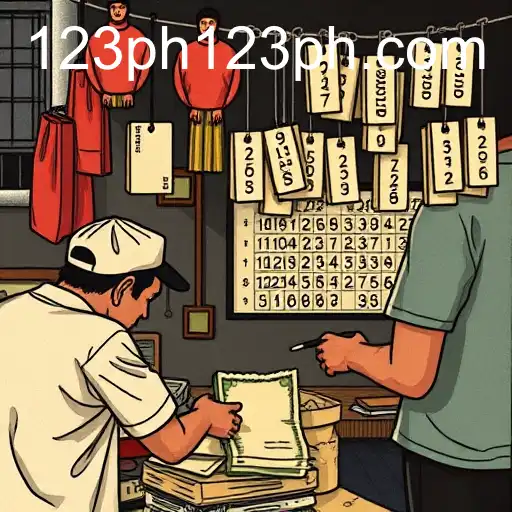
The mechanics of Jueteng are deceptively simple, yet it requires a complex organization to function effectively. In the game, players select a pair of numbers from 1 to 37. These numbers are drawn daily with results published through word-of-mouth or informal networks since there are no official advertisements. The central figure in a Jueteng operation is the operator, who runs the game using a network of cobradores or collectors to gather bets from players and kabos or managers to oversee the collectors.
Jueteng and Political Ties
In the Philippine political landscape, Jueteng is more than just an illegal numbers game; it is a powerful political force that taps into the veins of governance. The influence wielded by Jueteng operators often extends to local and even national levels. Politicians are frequently accused of receiving financial support from these operators, blurring the lines between legality and corruption. Jueteng has unseated political figures while elevating others, thus earning the moniker of a 'silent kingmaker'.
Social Impact of Jueteng
The betting game offers a semblance of hope to those in poverty, who find in it a lottery-type system that might turn the tables with just a small bet. In many communities, the local Jueteng operator can be both a feared and revered figure, often sponsoring community events and providing financial assistance to those in need.
Economic Implications
Economically, Jueteng represents a shadow industry that generates billions annually. Despite its illegality, the game is so ingrained that legalization attempts have surfaced repeatedly through history. Proponents argue that legalizing Jueteng could transform it into a source of government revenue and eliminate the corruption and violence associated with its clandestine operations. However, opposition argues that legalization might encourage gambling addiction and further entrench corruption.
The Legal Response to Jueteng
The government has historically employed various strategies to combat Jueteng, from high-profile raids to legislative measures. The most notable legal measure proposed was the righteousness through the Small Town Lottery (STL), operated by the Philippine Charity Sweepstakes Office (PCSO). The STL was designed to curb Jueteng’s influence by offering a legal alternative. Unfortunately, STL struggled to displace the entrenched Jueteng operations due to weaker incentive structures and deep-rooted networks.
Cultural Significance
Jueteng’s continued prevalence is not merely a result of poverty or greed. It is also deeply rooted in Filipino culture. It reflects a collective sense of community and resilience. For many, participating in Jueteng is as natural as engaging in religious or cultural festivities, with bets made impersonally, akin to casting lots of fate, embodying both hope and aspiration in a nation seen as brimming with possibilities yet fraught with inequities.
The Challenges Ahead
The persistence of Jueteng highlights the challenges faced by Philippine society. While cracking down on Jueteng is a common platform for political campaigns, success remains elusive. Corruption within law enforcement and local governance often undermines these efforts. More pressing is the societal dilemma of providing economic opportunities and social safety nets to reduce the allure of illegal practices such as Jueteng.
As long as vast segments of the Philippine population face economic hardship, Jueteng will likely continue to thrive. It is an echo of larger systemic issues that require comprehensive policy responses, targeting socioeconomic inequity, corruption, and governance.